Frequently Asked Questions
The most-asked questions about video game remakes.
What exactly is a video game remake?
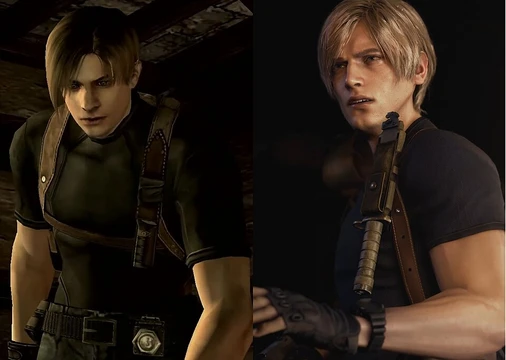
A remake is a ground-up re-creation of an earlier game, typically rebuilt with modern graphics, updated mechanics, and revised level design while preserving the core story and structure of the original. It differs from a simple port because developers rework systems rather than just upgrading visuals.
What's the difference between a remake and a remaster?
A remaster takes the original game's code and assets and upgrades resolution, textures, and frame rate without altering gameplay or level layouts. A remake, by contrast, is rebuilt from the ground up with new engines, redesigned levels, and often new content.
What's the difference between a remake and a reboot?
A remake stays faithful to the original's plot, characters, and level structure while modernizing presentation and mechanics. A reboot reinterprets the story, characters, or setting more freely, sometimes changing the timeline or narrative direction entirely.
Which studios are most associated with producing remakes?
Capcom is widely recognized for its long-running series of Resident Evil and Devil May Cry remakes, while Square Enix has remade multiple Final Fantasy titles and Tomb Raider. Nintendo, Sony, and independent studios like Lizard Games (for Silent Hill 2) have also become prominent in the space.
Where should a newcomer start if they want to experience a remake?
Resident Evil 2 (2019) is often recommended as an accessible entry point because it pairs a well-known survival-horror story with intuitive controls and a self-contained narrative. Final VII Remake or The Last of Us Part I are other strong picks depending on whether the player prefers action-RPG or narrative-driven experiences.
Why do studios choose to remake older games instead of making new sequels?
Remakes let developers reintroduce a beloved property to a new generation of players while justifying a full-price release without the risk of a new storyline. They also allow teams to fix pacing issues, modernize controls, and showcase current-generation hardware.
What are some of the most celebrated remakes in gaming history?
Resident Evil 4 (2023) is frequently cited for its seamless blend of classic design and modern polish, while Final VII Remake is praised for expanding a 1997 story into a full narrative experience. Shadow of the Colossus (2018) and The Last of Us Part I (2022) are also regularly highlighted for their technical and emotional impact.
Do remakes always improve on the original?
Not necessarily; some remakes are criticized for removing the challenge or atmosphere that made the original memorable, as seen in complaints about the 2023 Resident Evil 4's more forgiving difficulty. Fan reception often splits between those who value the modernized experience and those who prefer the original's rougher edges.
What is the general history of remakes in the industry?
Early remakes in the 1990s and 2000s, like the 1999 Resident Evil remake or the 2007 Devil May Cry 3 Special Edition, were often modest visual upgrades. The 2010s and 2020s saw a shift toward full narrative and mechanical overhauls, with studios investing AAA-level budgets into reimagining decade-old titles.
Are remakes only for older, classic games?
While most remakes target titles from the PS2, PS3, or early-2010s era, some studios have remade games released only a few years prior. The driving factor is usually a combination of hardware milestones, audience demand, and the opportunity to fix design flaws constrained by the original's development window.